Workplace & Shiftwork

Supporting alertness, safety and recovery for shift workers.
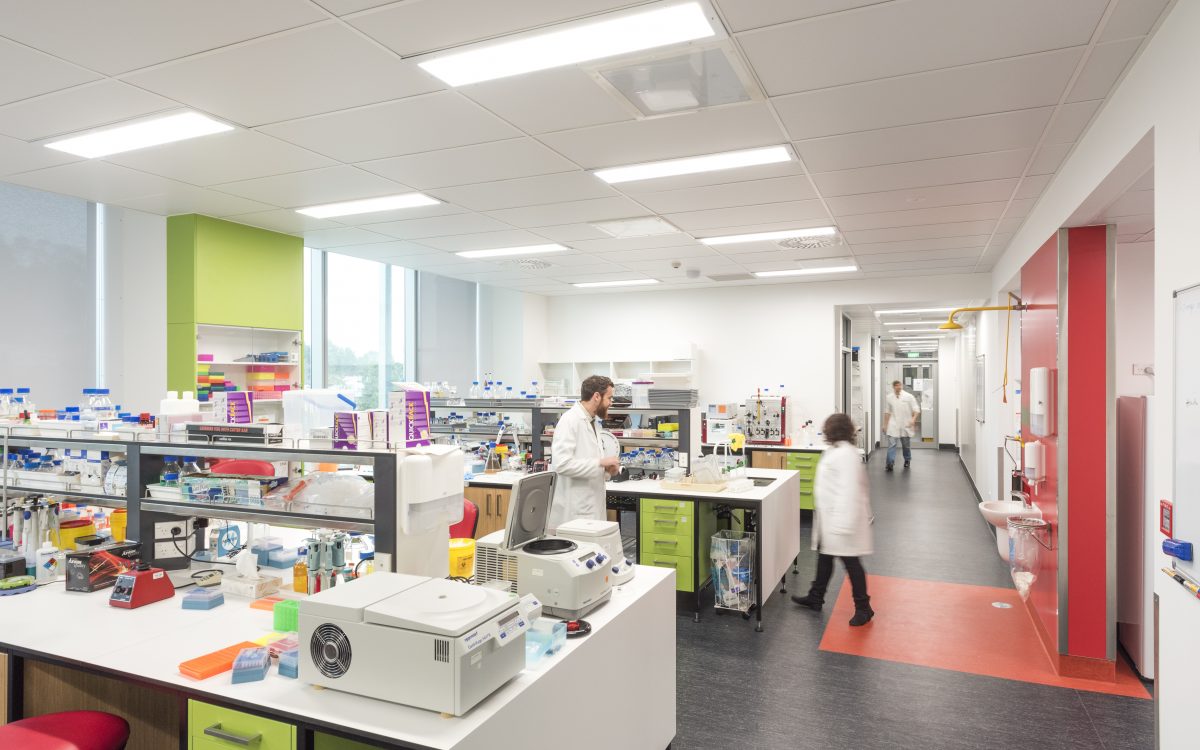
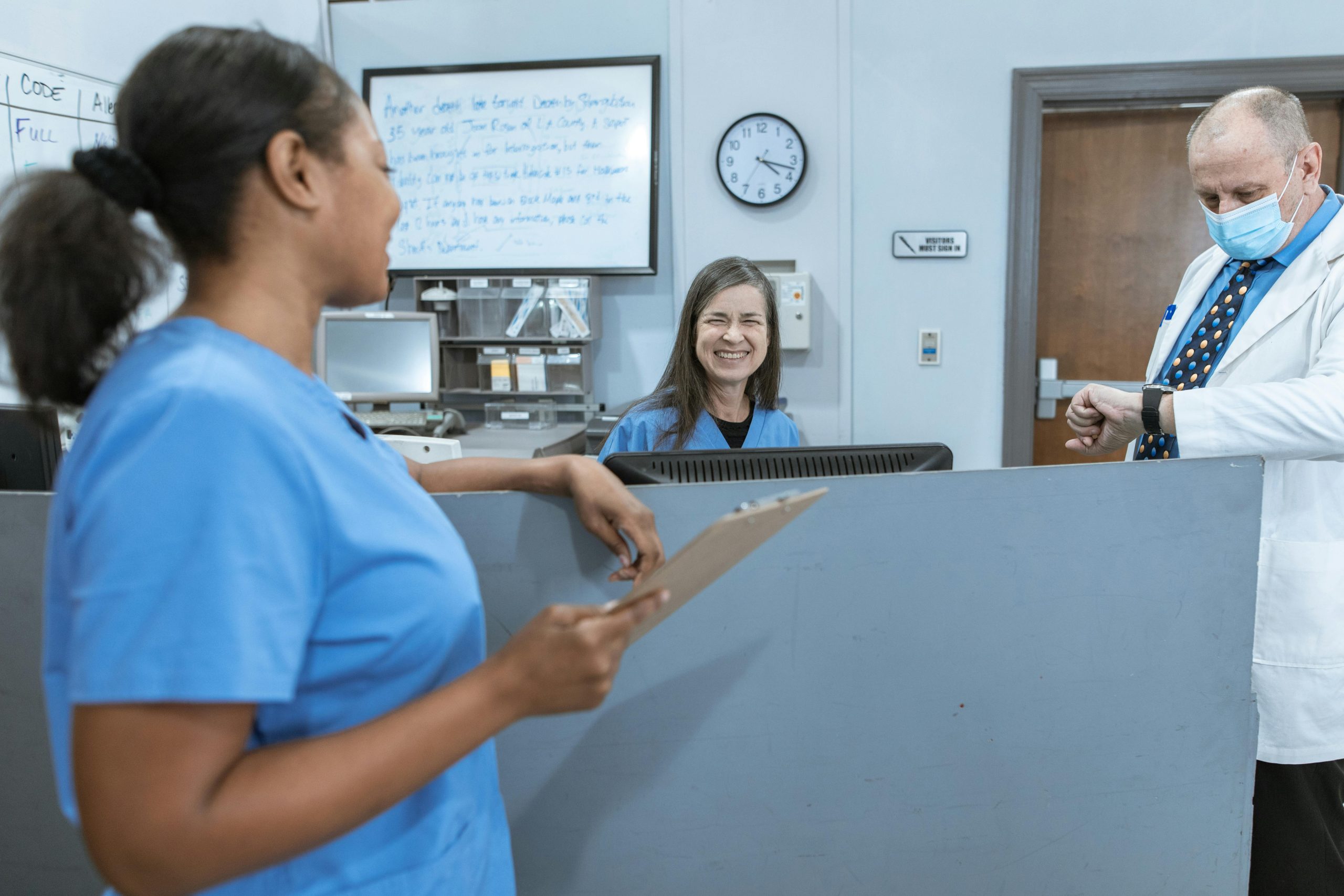
Shift work often places employees at odds with their natural biological rhythms. Irregular hours, artificial light at night, and limited exposure to natural daylight can disrupt circadian cycles, leading to fatigue, reduced alertness and poor sleep quality. This disruption interferes with the finely tuned release of hormones during this 24-hour cycle resulting in metabolic dysfunction with subsequent long-term health concerns. These challenges not only affect individual wellbeing but also workplace safety, productivity and overall performance.
 
MelaGen® provides a proven solution by aligning lighting with the body’s internal clock. Our MelaGen® Active technology delivers carefully balanced blue-enriched light during non-traditional work hours, helping to suppress melatonin production and promote alertness when it is needed most. Workers under MelaGen® lighting report improved concentration, sharper cognitive performance and enhanced mood, allowing them to remain more engaged and less fatigued throughout their shifts.
 
Equally important is the ability MelaGen® has to support recovery after work. By transitioning to blue-depleted light at the end of shifts, MelaGen® helps reset circadian rhythms and improves sleep duration and quality. Studies in real-world workplaces, such as food processing facilities, have shown employees experienced reduced sleepiness and gained an average of 30 minutes more sleep per night with MelaGen® installed.
 
By addressing both sides of the challenge — alertness on the job and better sleep off the job — MelaGen® empowers shift workers to perform at their best while protecting their health and wellbeing. For employers, this means fewer errors, safer workplaces and more resilient teams.

Research

To find out the latest MelaGen® research. See an article below
Key Knowledge

Why colour rendering (CRI) matters

Colour Rendering Index (CRI) is the measure of how accurately a light source renders the colour of an object, when compared to sunlight. CRI100 is ...
Read More →
Emerging Science

Circadian-informed lighting improves vigilance, sleep, and subjective sleepiness during simulated night-shift work

“Participants slept 52 minutes longer by day 7, with circadian-informed lighting versus control” Source: Oxford Academic – Sleep Findings: “These findings highlight the potential for ...
Read More →
Emerging Science

Impact of SSRIs (antidepressants) on light sensitivity and sleep

The SSRI citalopram increases the sensitivity of the human circadian system to light to an acute dose   Release of Melatonin (Melatonin Onset) Healthy sleeper, ...
Read More →
Emerging Science

Impact of inadequate sleep on the brain & emotions

Blood flow changes in the brain due to fatigue During sleep restriction there is reduced functional connectivity between the emotion regulation centre and the emotion ...

Read More →
Case Study

MelaGen® Case Study: Hazeldenes Chicken Farm

How Better Lighting Helped Hazeldenes Shift Workers Sleep Longer and Feel More Alert Shift work is tough on the body. Unnatural hours, high stress, and ...
Read More →
Key Knowledge

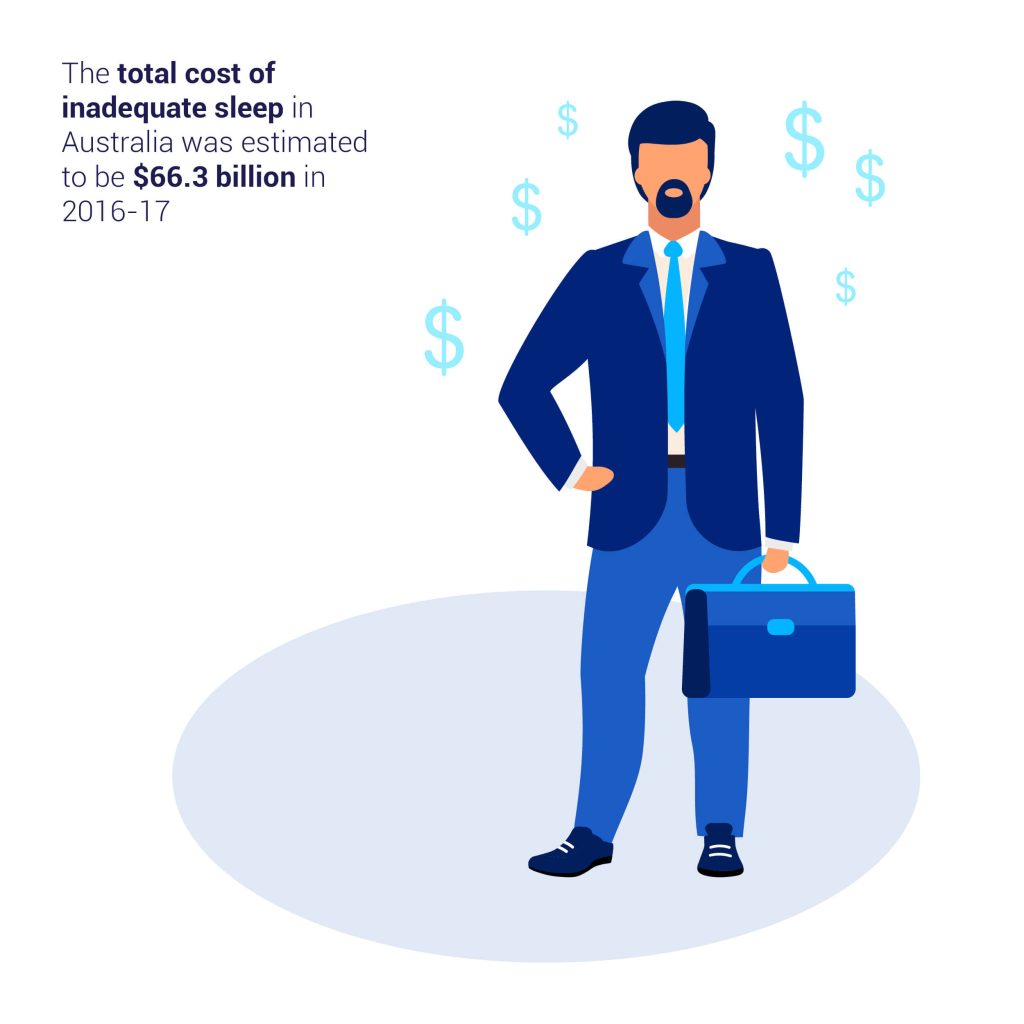
The cost of inadequate sleep: How the lack of sleep is causing deadly consequences behind the wheel

Every year, thousands of Australians unknowingly take a dangerous gamble when they get behind the wheel tired. Fatigue doesn’t just make you drowsy, it significantly ...
Read More →
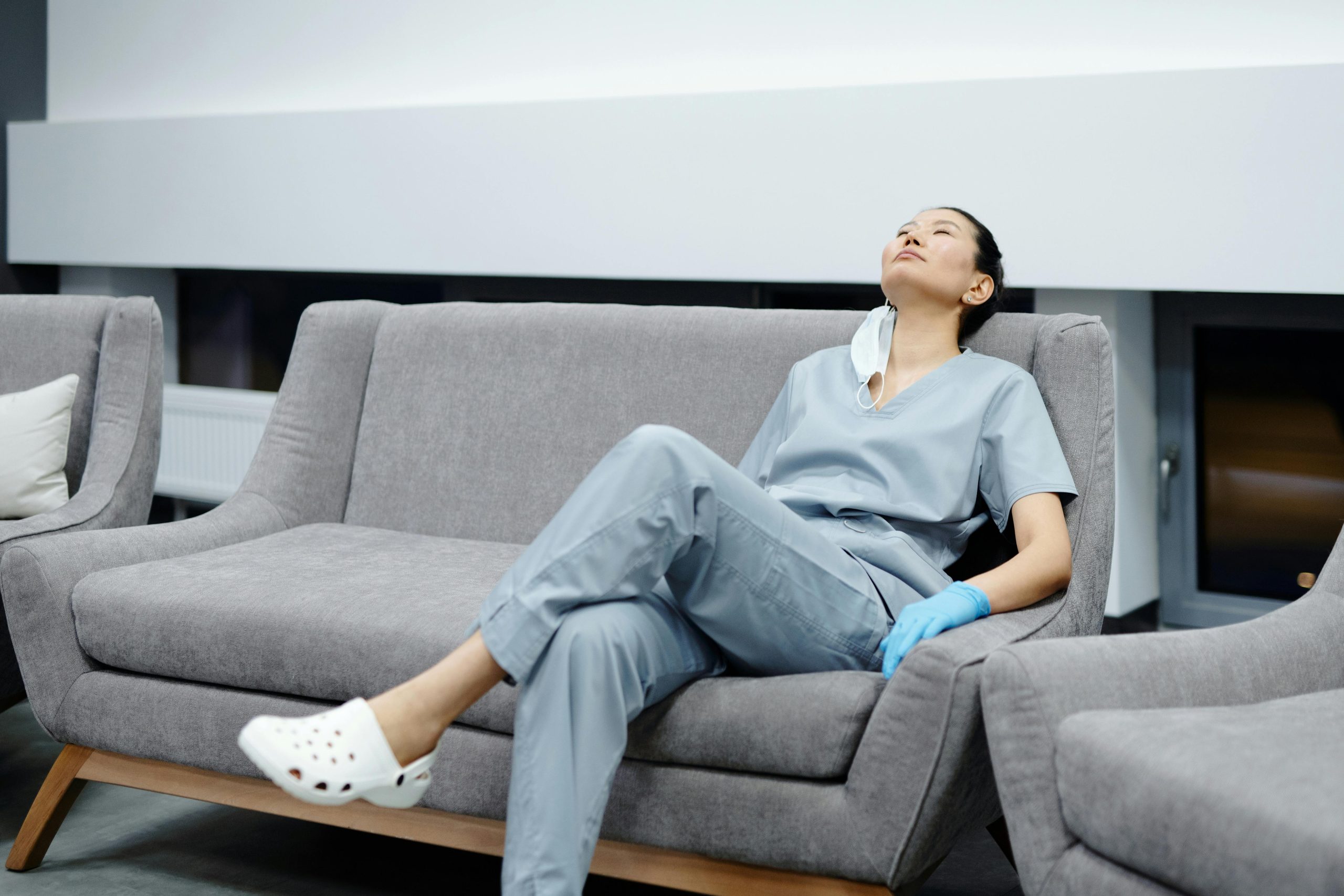
Nurse in scrubs takes a break, resting on a comfy hospital couch after a long shift.
Workplace & Shiftwork

The hidden cost of working against your body’s natural body clock

Shift work keeps our hospitals running, our shelves stocked, and our cities moving through the night. But it comes at a cost, and not just ...
Read More →
Education

Increasing alertness with blue-enriched light

Alertness is critical for both safety and performance in the workplace. Research shows that exposure to blue-enriched light helps improve alertness by suppressing melatonin and ...
Read More →

Projects Gallery