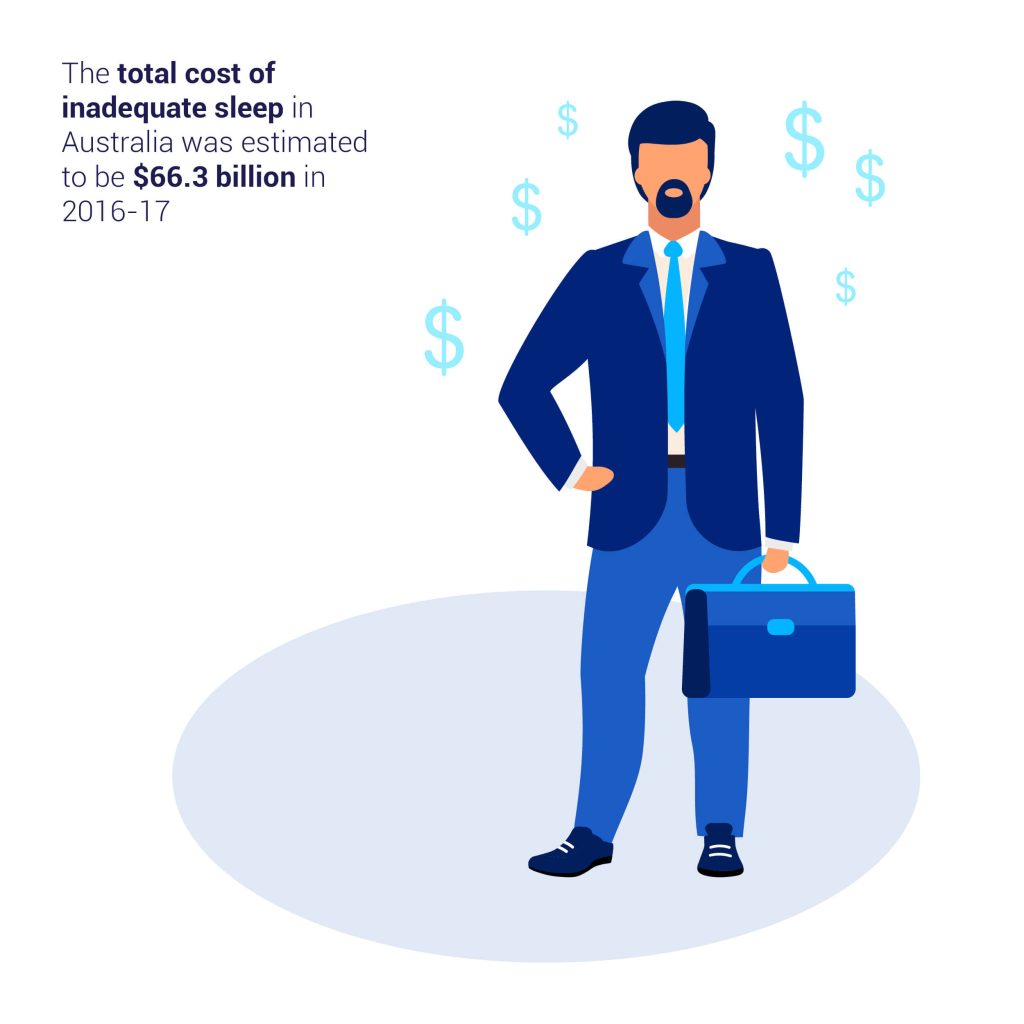

Many people are unaware of the powerful effect of light on sleep. In the hours before bed, our bodies expect very low levels of light. In our brain, the hormone melatonin is produced in the evening, promoting sleep. However, exposure to light in the evening tells our brains that it is still day, causing melatonin levels to decrease and preventing our bodies from preparing for sleep. This nightly exposure makes it harder to fall asleep and reduces the depth of our sleep.
Not all light has the same effect on sleep. Light with more blue wavelengths, like the cool white lights commonly found in homes, negatively impacts our sleep. When blue wavelengths are removed, evening light has less of an effect, allowing our bodies to promote sleep as though we were in near darkness. Blue-depleted amber lights, resembling the quality of a sunset, help us feel more relaxed and prepare our bodies for good quality sleep.
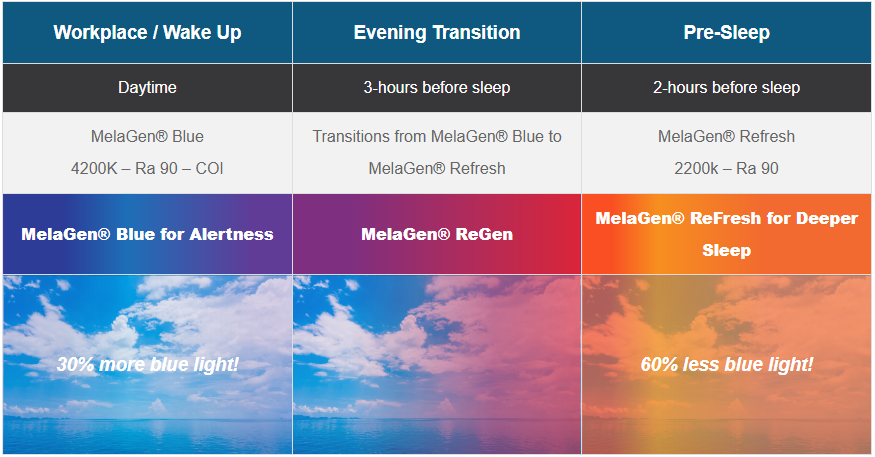
Maintaining healthy sleep and body clocks requires exposure to high levels of natural daylight during the day and very low levels of light at night. When our bodies struggle to distinguish between day and night, our sleep quality deteriorates. The impact of light on the human body depends on the spectral quality (colour), timing, intensity (brightness), and duration of the light exposure.
Melatonin, produced mainly by the pineal gland, regulates our daily sleep-wake cycles. It is typically released in the mid-to-late evening after sunset. Blue light at 480nm suppresses melatonin release; this wavelength is similar to that of a clear blue sky. While blue light enhances alertness and cognitive function, excessive or insufficient exposure can disrupt our circadian rhythms by suppressing melatonin, leading to impaired sleep and possibly delayed sleep phase disorder.
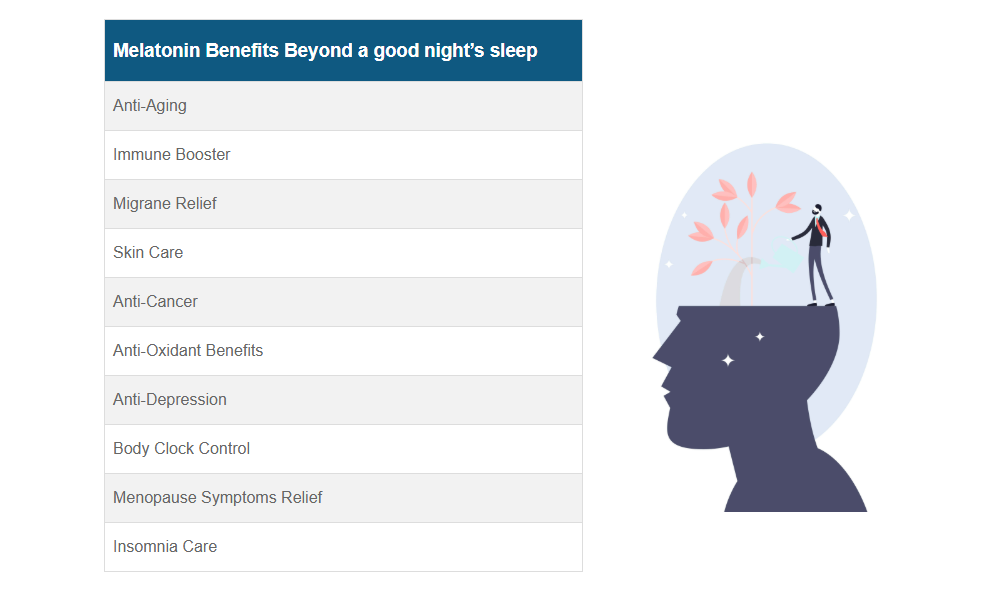
Beyond promoting a good night’s sleep, melatonin offers additional benefits:
Additionally, human growth hormone (HGH), often referred to as the “fountain of youth,” is produced by the pituitary gland in bursts, with levels rising after exercise, trauma, and during sleep. Under normal conditions, more HGH is produced at night than during the day, highlighting the importance of quality sleep for overall health.
By understanding and adjusting our light exposure, especially in the evening, we can enhance our sleep quality and overall well-being.
For more information on how lighting affects sleep and how to implement healthy lighting solutions, view our KEY KNOWLEDGE research here.