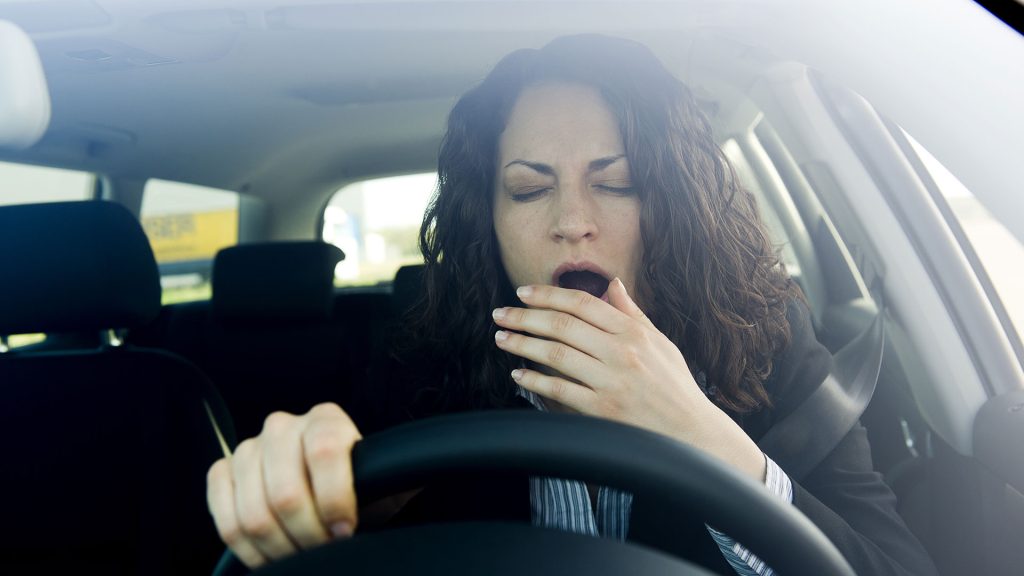
Every year, thousands of Australians unknowingly take a dangerous gamble when they get behind the wheel tired. Fatigue doesn’t just make you drowsy, it significantly impairs reaction time, decision-making, and alertness, making it one of the leading causes of road accidents.
In fact, inadequate sleep is responsible for 23% of all motor vehicle accidents in Australia. That’s nearly one in four crashes caused not by speeding or alcohol, but by something as simple—and fixable—as poor sleep.
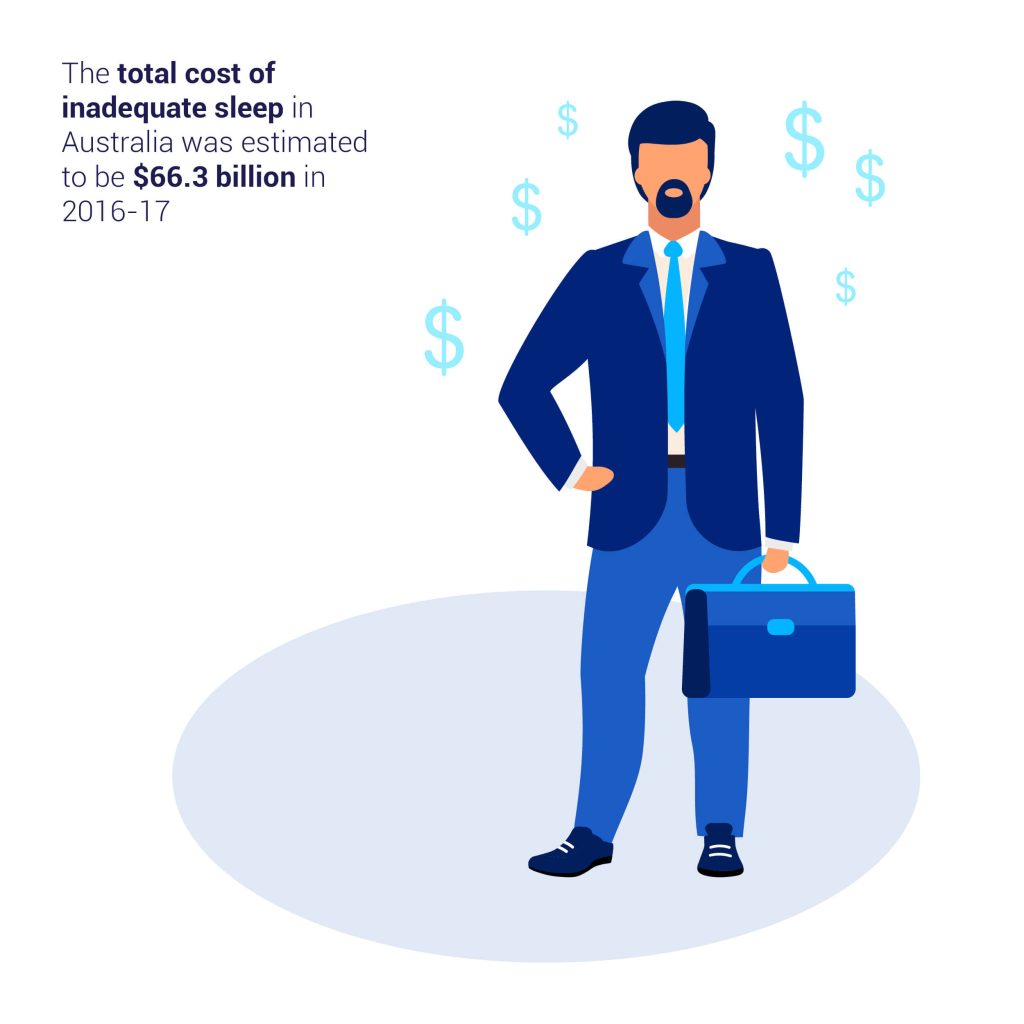
The numbers paint a grim picture. A 2017 study placed the total cost of insufficient sleep at $66.3 billion, that is an average cost of $8,968 per affected person in both financial and wellbeing cost. Even more alarming: more than one Australian dies each day from fatigue-related driving incidents, often from simply falling asleep at the wheel.
Studies show that people who sleep fewer than four hours in a 24-hour period are 11 times more likely to be involved in a crash than those who get at least seven hours. To put that in perspective, the level of impairment from extreme fatigue can rival that of being drunk.
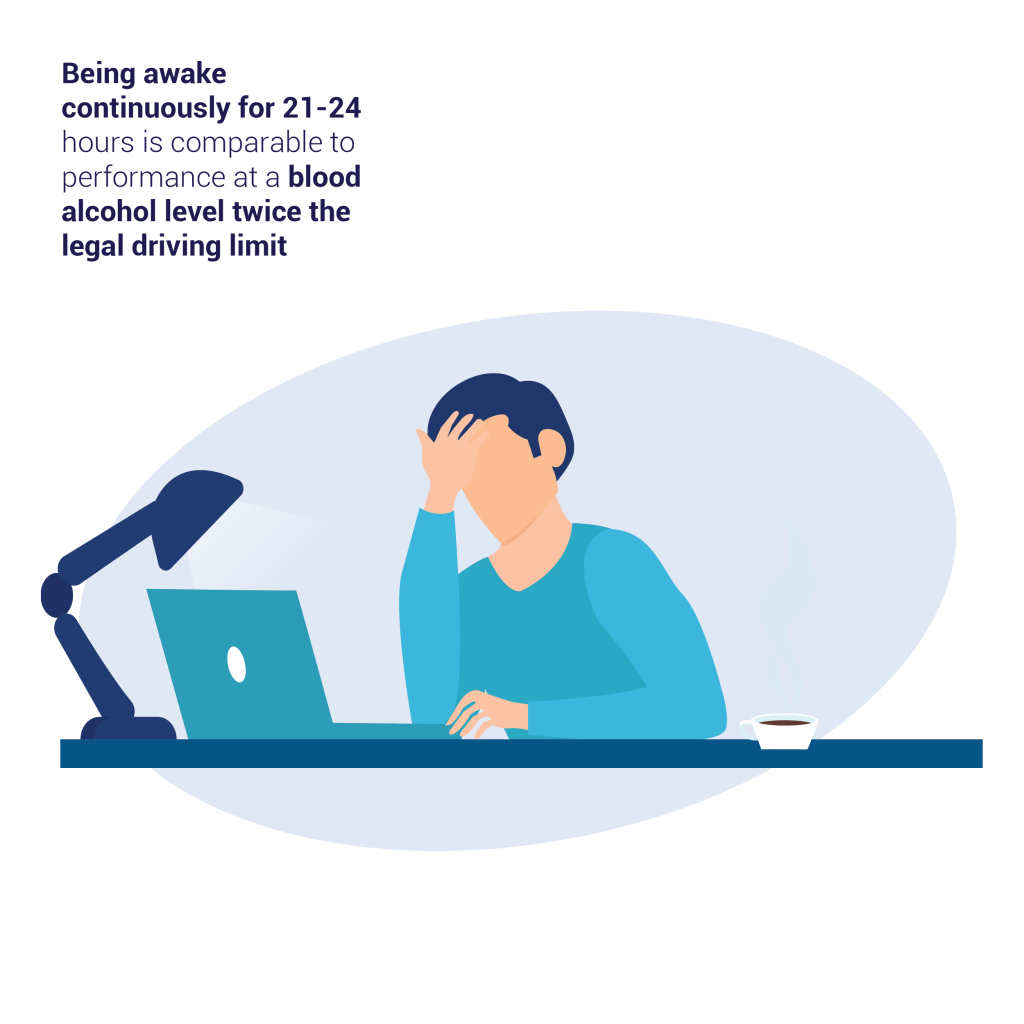
Unlike alcohol, though, there’s no breathalyzer test for sleep deprivation. Fatigue often goes unnoticed—until it’s too late.
The solution? Prioritising sleep as a health and safety essential, not a luxury. For drivers, especially those commuting after long hours or overnight shifts, getting enough rest can be the difference between making it home and becoming another statistic.
Applying the right light at the right time will allow our biological clocks to maintain their balance and permit us to achieve restorative sleep and reap all of the associated health benefits. MelaGen® is science-backed lighting made for humans sleep-wake cycles.