
Shift work keeps our hospitals running, our shelves stocked, and our cities moving through the night. But it comes at a cost, and not just in lost sleep.
Working nights or rotating shifts forces the body to go against its natural circadian rhythm. While the world sleeps, shift workers must stay alert, often with the help of caffeine, artificial lighting, and sheer willpower. However, these strategies do not address the core issue. The body simply is not wired to be awake at night.
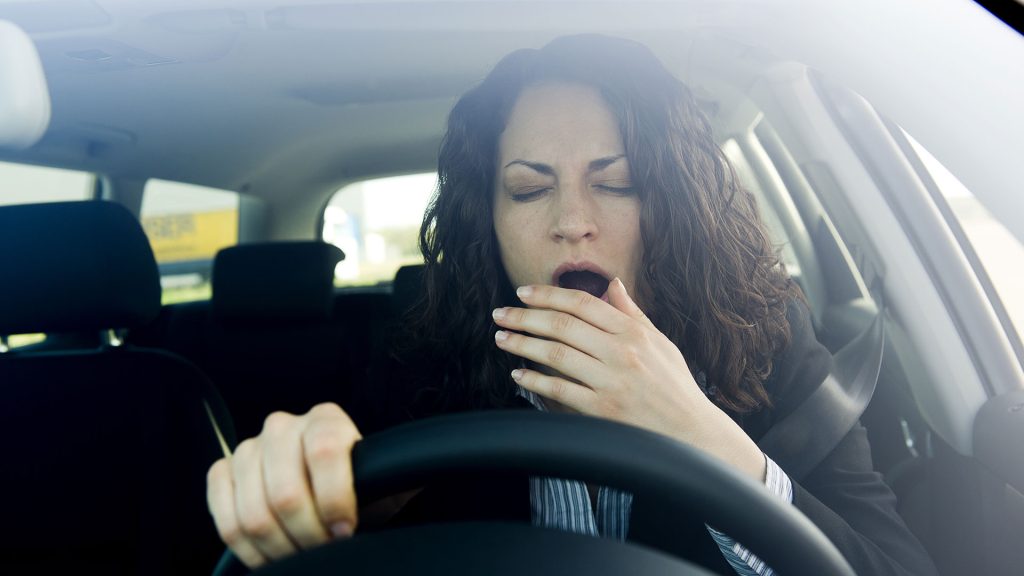
The consequences are real. Shift workers consistently report poorer sleep quality, higher rates of fatigue, and greater difficulty maintaining alertness during their working hours. When they do sleep—usually during the day—it is often disrupted and less restorative.
But the risks go beyond feeling tired. Shift work has been linked to a range of long-term health problems, including:
- Type 2 diabetes (nearly double the prevalence in rotating shift workers)
- Cardiovascular disease
- Increased cancer risk
- Mental health decline and burnout
Healthcare workers in particular face a double burden. Fatigue impairs their job performance and patient safety. At the same time, they are more prone to chronic health conditions, workplace injuries, and fatigue-related commuting accidents.
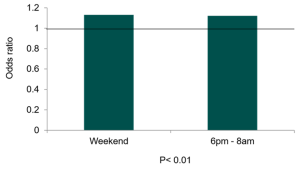
Weekend and Out of Hours Mortality within 48 hours of ED Admission
Light exposure can help. Studies show that blue-enriched light during night shifts can improve alertness and reduce fatigue. But this only offers partial relief. Employers and institutions need to implement effective fatigue management strategies. That includes recognizing the long-term health risks faced by shift workers.
For those working irregular hours, education, scheduled rest breaks, and sleep-friendly planning can offer support. Ultimately, fatigue must be seen as a serious occupational hazard, not just an unavoidable part of the job.