All life on earth, has adapted to the 24-hour day night cycle, in synchronization with the earth’s rotation around the sun.
To anticipate events timed with the earth’s rotation, all organisms contain an internal timekeeper. We call this cycling pattern, circadian rhythms.
To align specific biological functions to night and day, the circadian rhythm continually uses light cues to synchronize the clock to the external light and dark cycle.
The human circadian rhythm is approximately 24.2 hours and must be reset every morning!
This relationship between the 24-hour day/night cycle and the trillions of clocks in human physiology (both body and brain) is intrinsic to our survival. Our 24-hour Circadian Rhythm is significantly affected by this relationship.
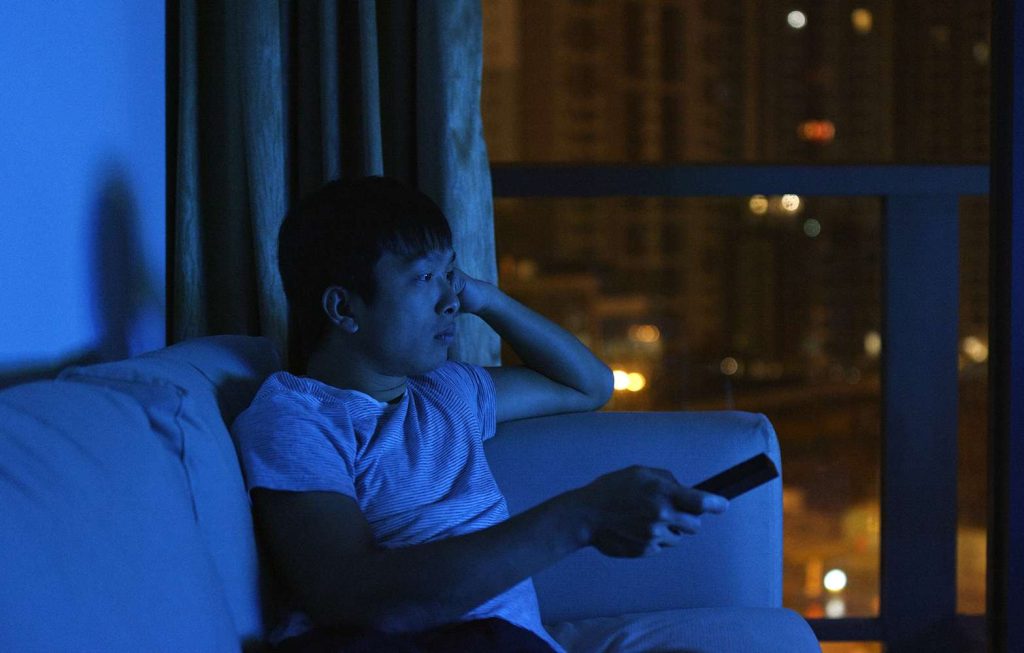
Artificial light, in the 20th Century, has created a world of “perpetual light”. Humans are now able to influence how long we stay awake for, which in turn manipulates this circadian rhythm.
Scientific Findings: Blue enriched light enhances alertness
Scientific Findings: Blue enriched light enhances alertness
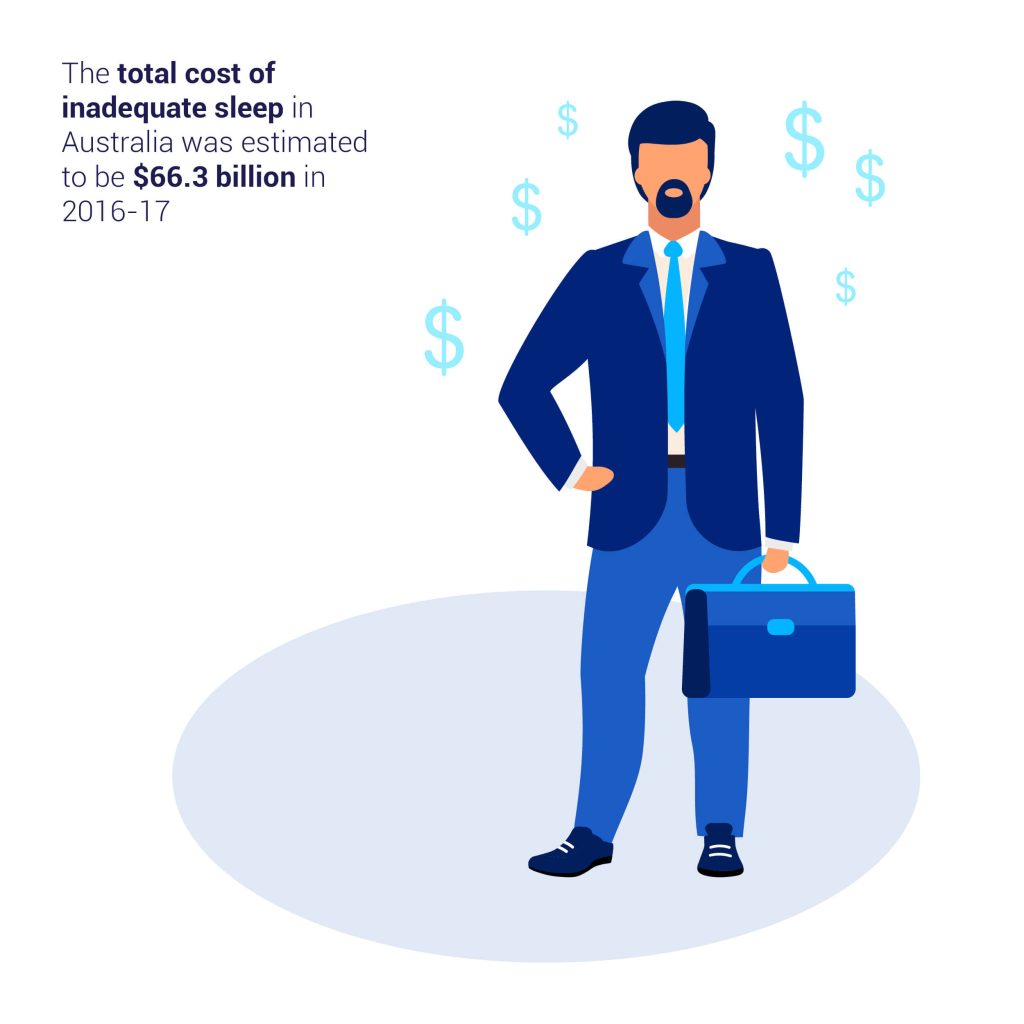
The Negative Impact: Sleep affects all facets of our wellbeing
Every year, thousands of Australians unknowingly take a dangerous gamble when they get behind the wheel tired. Fatigue doesn’t just make you drowsy, it significantly…